

Retatrutide: The Next Evolution in Medical Weight Loss?
Retatrutide is one of the most talked-about medications in the future of medical weight loss. It is being developed by Eli Lilly as a once-weekly injectable medication that works on three hormone receptors: GLP-1, GIP, and glucagon. Because of this, it is often called a “triple agonist.” Semaglutide works mainly through GLP-1. Tirzepatide works through GLP-1 and GIP. Retatrutide adds glucagon receptor activity, which may give it a stronger effect on appetite regulation, energy balance, fat loss, and cardiometabolic health.[1-3]
Retatrutide is still investigational. It is not currently FDA approved and is not legally available for routine prescribing outside clinical trials.[1] At Modern Wellness, we are watching Retatrutide closely because the clinical study results are promising. However, we believe patients should be educated clearly: Retatrutide is not something you should buy from the internet, social media, “research peptide” sellers, overseas suppliers, or gray-market sources.
If someone is selling “Retatrutide” today outside a legitimate clinical trial, there is no real medical accountability, no FDA approval, no verified dosing, and no guarantee that the product is sterile, pure, correctly labeled, or safe for injection.

Reversing the Downward Spiral
When men implement the first steps, they often notice early changes: energy improves within weeks, mood steadies, sleep becomes deeper or more continuous, cravings shift, pain decreases, and confidence rises. Those early changes create a positive spiral: feeling better makes it easier to train; training makes it easier to sleep; sleeping makes it easier to eat well; eating well makes it easier to recover; recovering makes it easier to train. The spiral becomes self-reinforcing. Your brain is built to change when you repeatedly choose the hard-but-good thing. The anterior mid-cingulate cortex (aMCC) is deeply involved in what researchers call tenacity, persisting in the face of challenge by weighing the cost of effort against the value of the reward. It sits at a crossroads of brain systems involved in attention, motivation, and motor planning, helping you allocate resources so you can keep showing up for the goal instead of withdrawing.
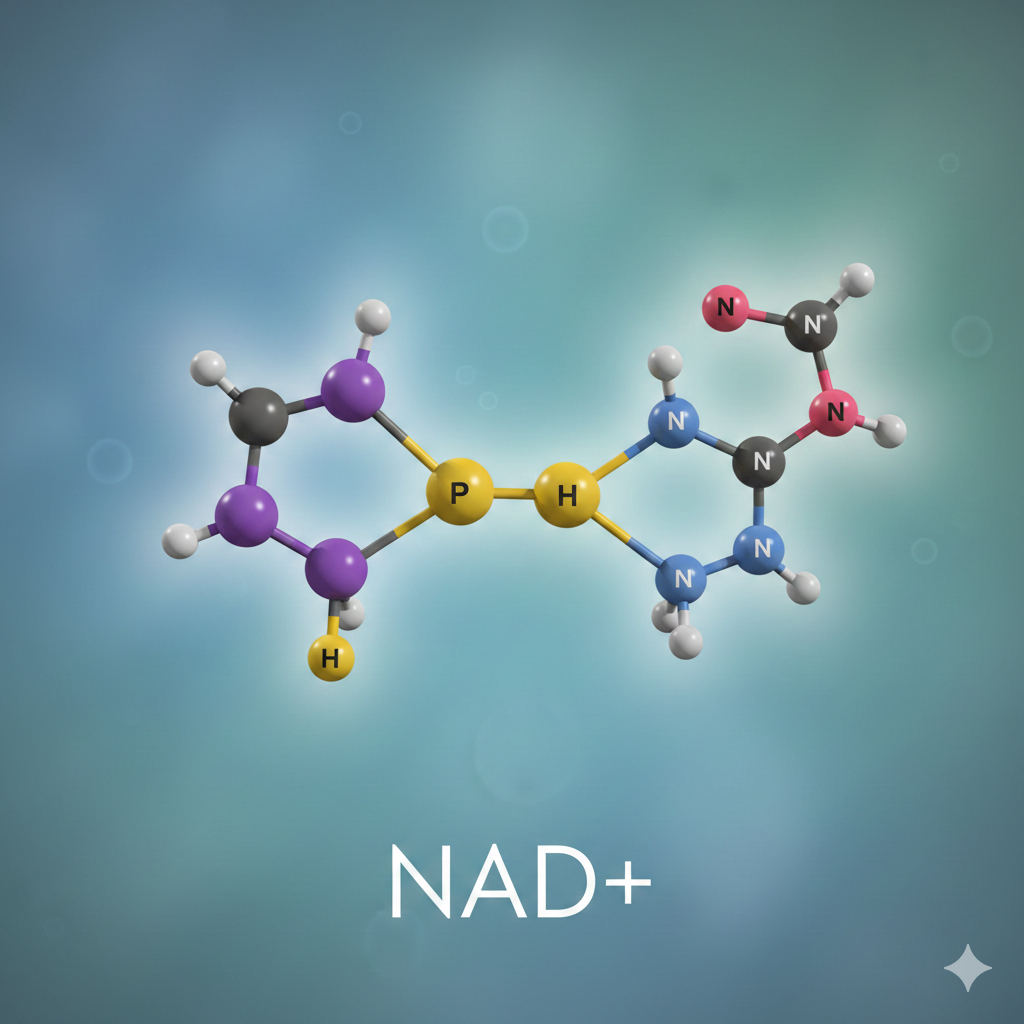
NAD+ Explained
Unfortunately, as we age, our supply of NAD+ naturally disappears. By age 40, most people have lost about half of their youthful levels, and by age 60, they may have only 20% left. This happens because certain enzymes in the body start to "steal" and consume NAD+ much faster than we can replace it, usually to deal with rising inflammation or to try and fix mounting DNA damage. As NAD+ is used up by these "thieves," there is not enough left to run your power plants or fuel your repair crews.

Metabolic Preservation Strategies: A Clinical Framework for Resistance Training and Nutrient Timing in GLP-1 Therapy
Emerging data indicate that 20% to 50% of total weight loss during GLP-1 RA therapy may consist of lean mass, with some cohorts showing muscle loss as high as 60%. This reduction in skeletal muscle integrity presents a significant risk for sarcopenic obesity, metabolic rate depression, and decreased functional independence.
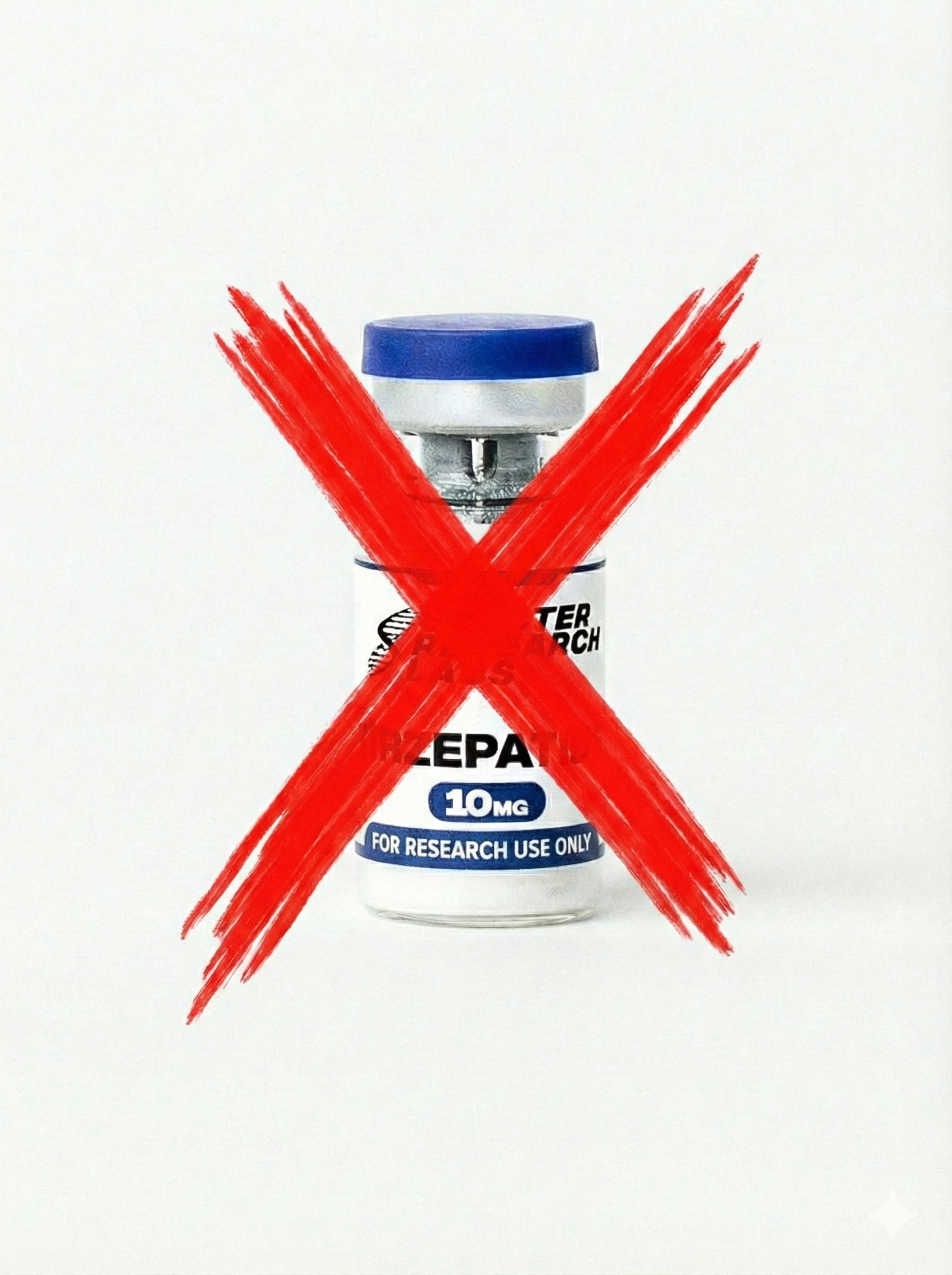
The Hidden Risks of "Gray Market" Tirzepatide: Why Purity Matters for Your Long-Term Health
You may see Tirzepatide sold online or in local Albuquerque nutrition stores labeled as "for research use only" or "not for human consumption." While the lower price point is tempting, the long-term health consequences of using these unapproved substances can be severe and, in some cases, irreversible.
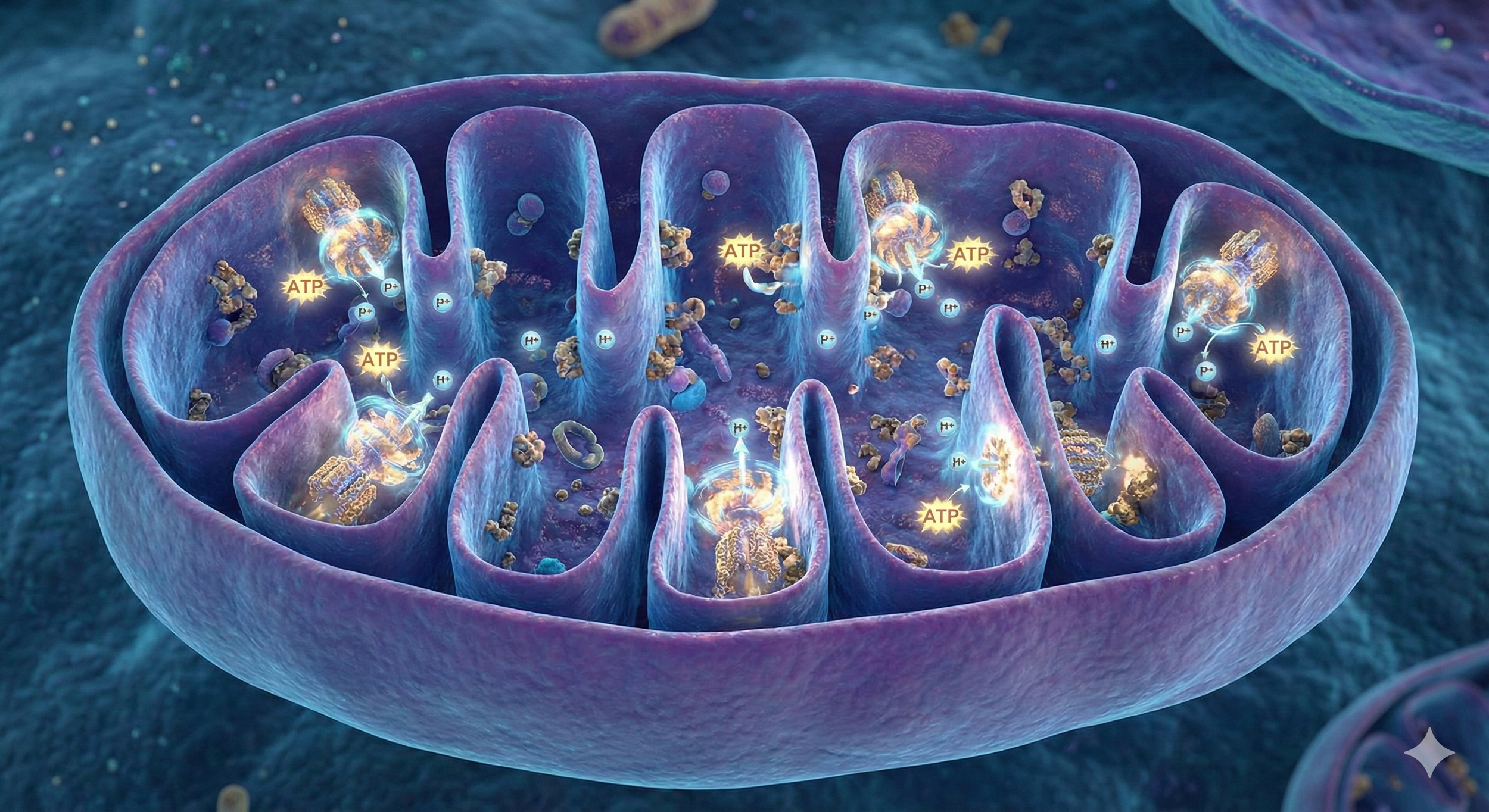
The Longevity Coenzyme: Clinical Efficacy of Subcutaneous Nicotinamide Adenine Dinucleotide in Addressing Age-Related Pathophysiology and Metabolic Decline
Subcutaneous (SC) injections have emerged as a superior modality for achieving therapeutic concentrations while mitigating the metabolic bottlenecks associated with oral ingestion and the systemic side effects inherent to rapid intravenous delivery. This analysis explores the mechanistic underpinnings of NAD+ therapy, the clinical superiority of the subcutaneous route, and the synergistic integration of NAD+ restoration with emerging medical technologies and supportive measures in managing the hallmarks of aging.